Rekeying changes which key operates a compatible lock while the lock body and most hardware stay in place. After a correct rekey, the old key stops working. It does not fix a damaged latch, a sagging door or weak hardware.
Do I Really Need a Locksmith? · Bill’s DIY series
“I can do this myself.” Do I really need a locksmith?
Verdict: MaybeWatch a door lever get rekeyed
Get the After-a-Rekey Checklist →$4.99 · instant PDF downloadWatch Bill do it start to finish
See exactly what rekeying changes: a Defiant deadbolt with no key, re-pinned to a new key, step by step.
Want more full-length jobs? Open Bill’s Video Library · Watch on YouTube

What Is Rekeying? A Clear Beginner Explanation
Rekeying changes which key operates a compatible mechanical lock while keeping the existing lock body and most of its hardware in place. The old operating key no longer works after the lock is correctly configured for a different key.
Working with Kwikset SmartKey? A normal working-key rekey and a lost-key cylinder reset are different tasks. See the SmartKey reset guide for the matching demonstration, keyway compatibility checks, and next steps when neither key works.
That definition matters because rekeying, repair, and replacement solve different problems. Rekeying changes key access. It does not repair a damaged latch, straighten a misaligned door, upgrade weak hardware, or make incompatible locks accept one key. A good decision starts with the condition and compatibility of each opening.
What changes
- The key that is authorized to operate the lock
- The lock’s internal key combination
- The owner’s key-control plan for that opening
What usually stays
- The installed lock body and exterior finish
- The door preparation, latch, strike, and hinges
- The hardware function, grade, and existing wear
Watch it: see the concept in a real lock
The short demonstration shows the visual relationship between the cylinder, pins, and operating key. The video is part of the lesson, not the entire training product. The written material provides the decision framework, terminology, cautions, and reference context.
Read it: when rekeying is the right question
Rekeying is commonly considered after a move, a lost or unreturned key, employee or tenant turnover, or any change in who should have access. It can also support a simpler key plan when compatible locks share a keyway and can be configured appropriately. Compatibility must be confirmed; “one key for every lock” is not automatic.
Choose repair or replacement when the problem is not key control
A lock that binds, feels loose, fails to latch, or works only when the door is pushed may have a hardware, door, frame, or alignment problem. Rekeying does not correct those conditions. Replacement may be the better path when hardware is damaged, badly worn, incompatible with the desired key plan, missing a needed function, or due for a security upgrade. Use the replace-or-rekey decision guide and the Common Lock Problems control center to separate the symptom from the right service category.
What a responsible rekey service includes
- Authority check: confirm that the customer is authorized to control access to the property.
- Opening inventory: identify which doors, locks, and key groups are actually in scope.
- Compatibility and condition check: separate rekeyable hardware from damaged, electronic, specialty, or incompatible products.
- Key-plan confirmation: agree on which locks should share a key and which should remain separate.
- Service and testing: complete the authorized work, verify the new key at every opening, and confirm the old key no longer operates rekeyed locks.
This free lesson explains the decision and customer workflow. It intentionally does not replace complete pinning instruction, keying calculations, professional charts, or field procedures. Continue with the customer-level How to Rekey a Lock guide, then use structured paid training for the complete technical system.
Do it: build a rekey decision worksheet
Choose three locks that you own or are authorized to inspect. Without disassembling or manipulating them, record the brand, function, keyway information you can identify, condition, door alignment, current key groups, and desired access change. Classify each opening as “evaluate for rekey,” “repair first,” “replace or upgrade,” or “refer for specialty service.” Then compare your reasoning with How a Lock Works and Why Keys Stop Working.
Can a beginner rekey a lock?
Rekeying is a foundational locksmith skill, but owning a kit is not the same as understanding compatibility, tolerances, key control, authorization, or reliable testing. Begin on hardware you own, follow a structured learning sequence, and get feedback before accepting paid work. The Beginner Locksmith Path organizes those fundamentals in the right order.
Rekeying questions beginners ask
Can every lock be rekeyed?
No. Rekeyability depends on the lock design, condition, available components, keyway, and desired key plan. Electronic and specialty products may use a different credential or service process.
Does rekeying fix a hard-to-turn lock?
Not necessarily. Key wear, cylinder wear, lubrication, latch load, strike alignment, hinges, and door movement can all affect operation. Diagnose the condition before choosing a service.
Can several locks use one key after rekeying?
Sometimes. The locks must be compatible with the intended key system and appropriate for the property’s access plan. A professional should confirm compatibility rather than promise one key for dissimilar hardware.
Is rekeying always cheaper than replacement?
No universal answer applies. Hardware condition, labor, key quantity, compatibility, security goals, and upgrade needs affect the decision. Compare the full scope instead of relying on a blanket price claim.
Rekeying after a move or a lost key
Moving in, a key that was never returned, or a change in who should have access are the most common reasons to rekey. Rekeying is first on our new homeowner lock checklist, and it’s covered in the closing-gift security packet agents can give their buyers. Ready to see the full process? Read how to rekey a lock, or check whether a SmartKey reset applies to your Kwikset.
What does a rekey cost? See how much it costs to rekey a lock in 2026: service call, per-lock price and how to keep it cheap.
Printable guides from Bill
After you rekey
Rekeying changes who can get in. These printable checklists cover what comes next: spare keys, codes and the other doors.
Printable PDFs from Kwikpick Lock and Safe. Instant download, checkout by Gumroad. More for new homeowners on our new homeowner page.
Parts and tools for this problem
Start with the matching checks in Bill’s field guides. Buy only after you identify your hardware and the cause.
A cylinder-compatible rekey kit
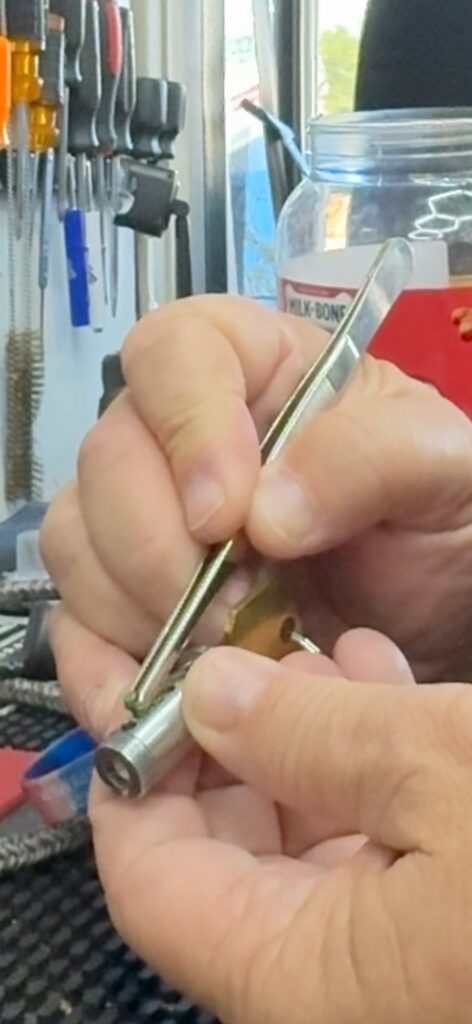
Bill’s rekeying demonstration uses a pinning kit, plug follower, tweezers and small screwdrivers. Match the cylinder, keyway and pinning chart before buying.
Match your rekeying system →No affiliate purchase links are active in this section. If we add commission-earning links, they will be identified here and next to the link.
Compare parts by problem → · Find another fix →
Locksmith BlueprintLocks Made Simple
Real locksmith know-how from Bill, a working locksmith in Arizona: short videos, plain-English guides and printable checklists.