Most people think locks are complicated.
They aren’t.
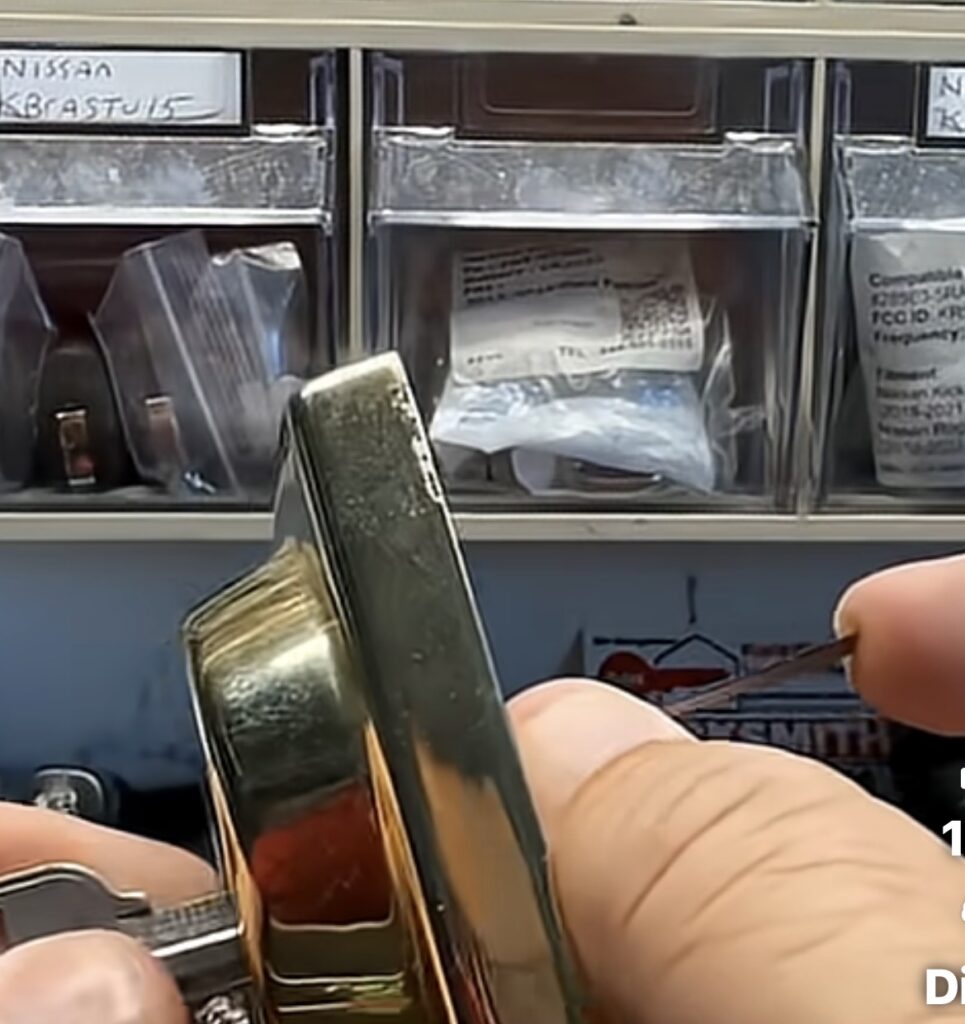
This video shows a locksmith opening a lock cylinder by shimming the pins above the shear line — one chamber at a time.
Once you understand the shear line, locks start making a lot more sense.
How Lock Shimming Works
A shim is a thin piece of metal inserted between the plug and the outer housing of the lock.
As the key is slowly withdrawn, each chamber is isolated one at a time until the plug becomes free to rotate.
This allows the lock cylinder to be serviced, repinned, or rekeyed without drilling.
What Is the Shear Line?
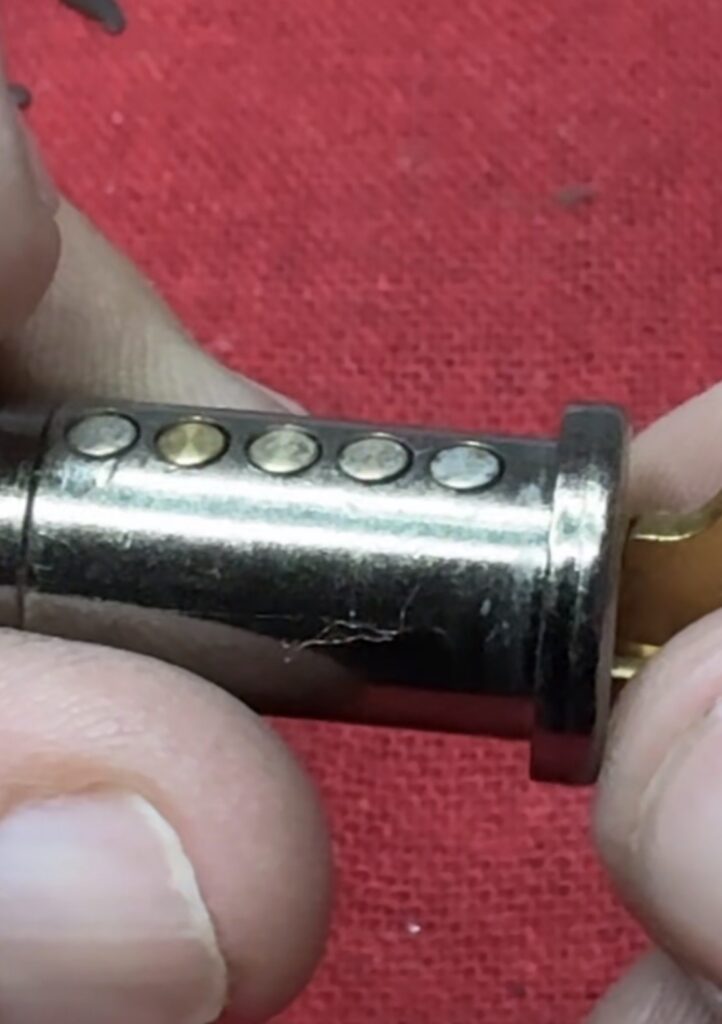
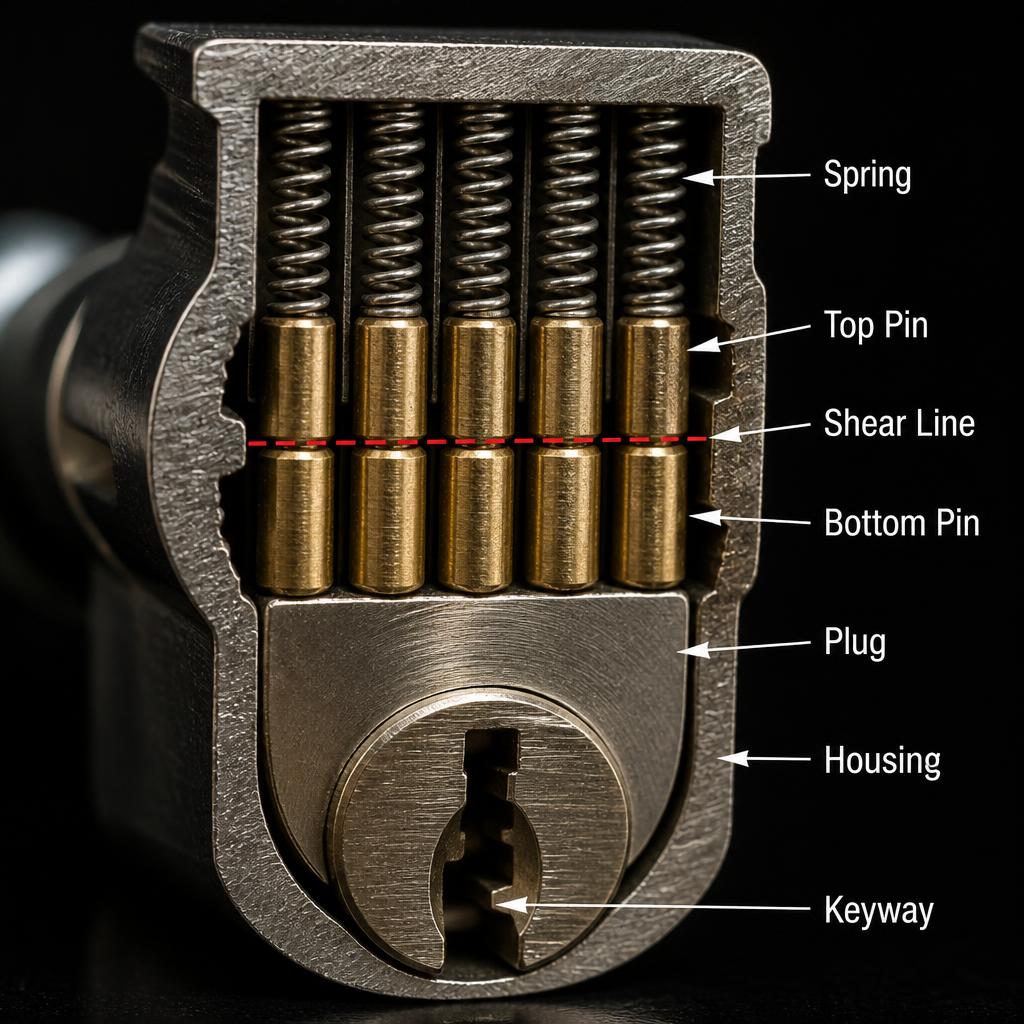
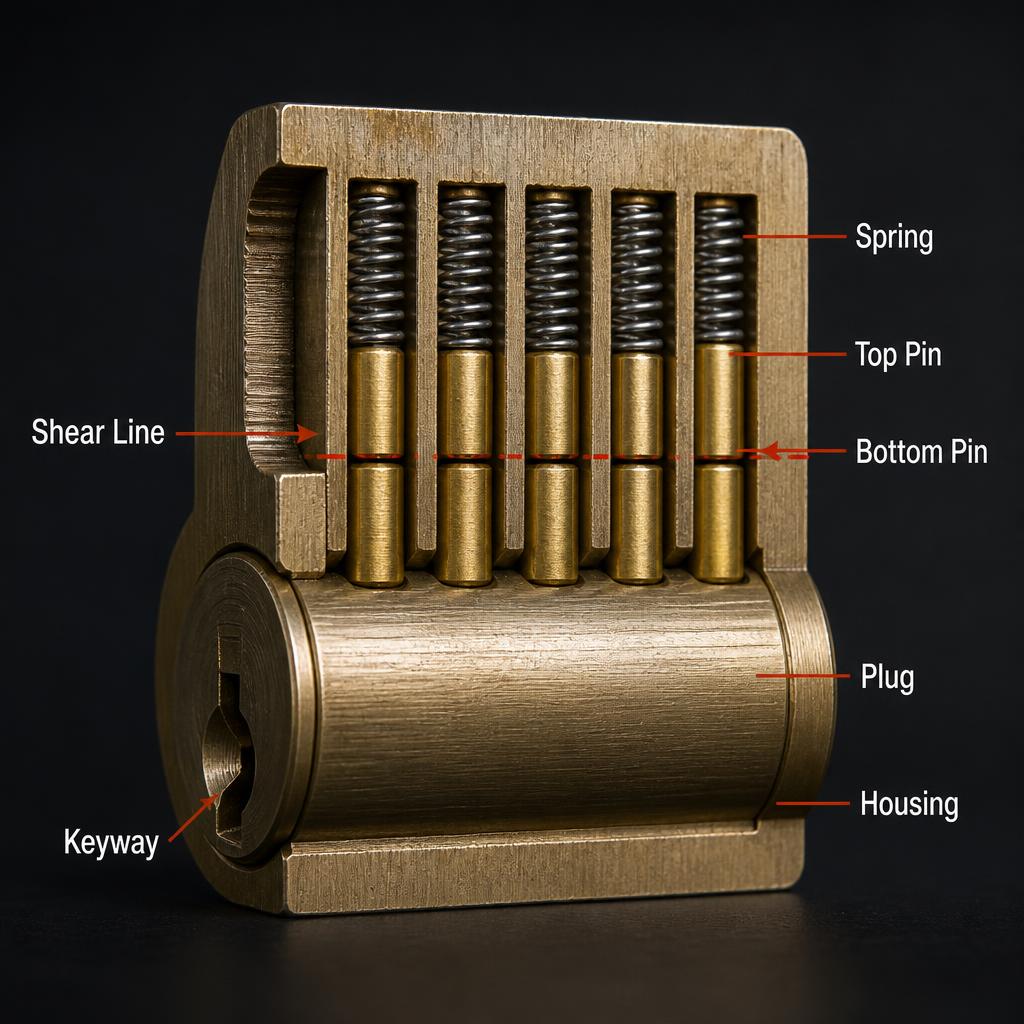
The shear line is the invisible gap between the plug and the outer housing of a lock cylinder.
For a lock to turn, every top pin and bottom pin must separate exactly at that line.
When the wrong key is inserted, the pins cross the shear line and block the cylinder from rotating.
When the correct key is inserted, the pins align at the shear line and the plug can turn freely.
How Lock Shimming Works
What Is the Shear Line?
Lock Anatomy
Inside a Lock Cylinder
Can Every Lock Be Shimmed?
No.
Some lock cylinders include design features that make shimming difficult or impossible.
Manufacturing tolerances, security features, wear, and cylinder design all affect whether a lock can be shimmed successfully.
Why Locksmiths Shim Locks
Locksmiths commonly shim locks when a working key is not available and the cylinder needs to be serviced.
Once the plug can rotate, the lock can be disassembled, the pins can be removed, and the cylinder can be rekeyed to a new key.
Shimming is one of several techniques locksmiths use to gain control of a lock cylinder without drilling or replacing the lock.
Locksmith Blueprint | Locks Made Simple
Locks are simpler than most people think.
Locks Made Simple was created to explain locksmith concepts using real locks, real service calls, diagrams, videos, and beginner-friendly explanations.
Everything on this site is based on real locksmith experience and thousands of actual service calls.